
Middle East & Indian Ocean Shipping Disruption
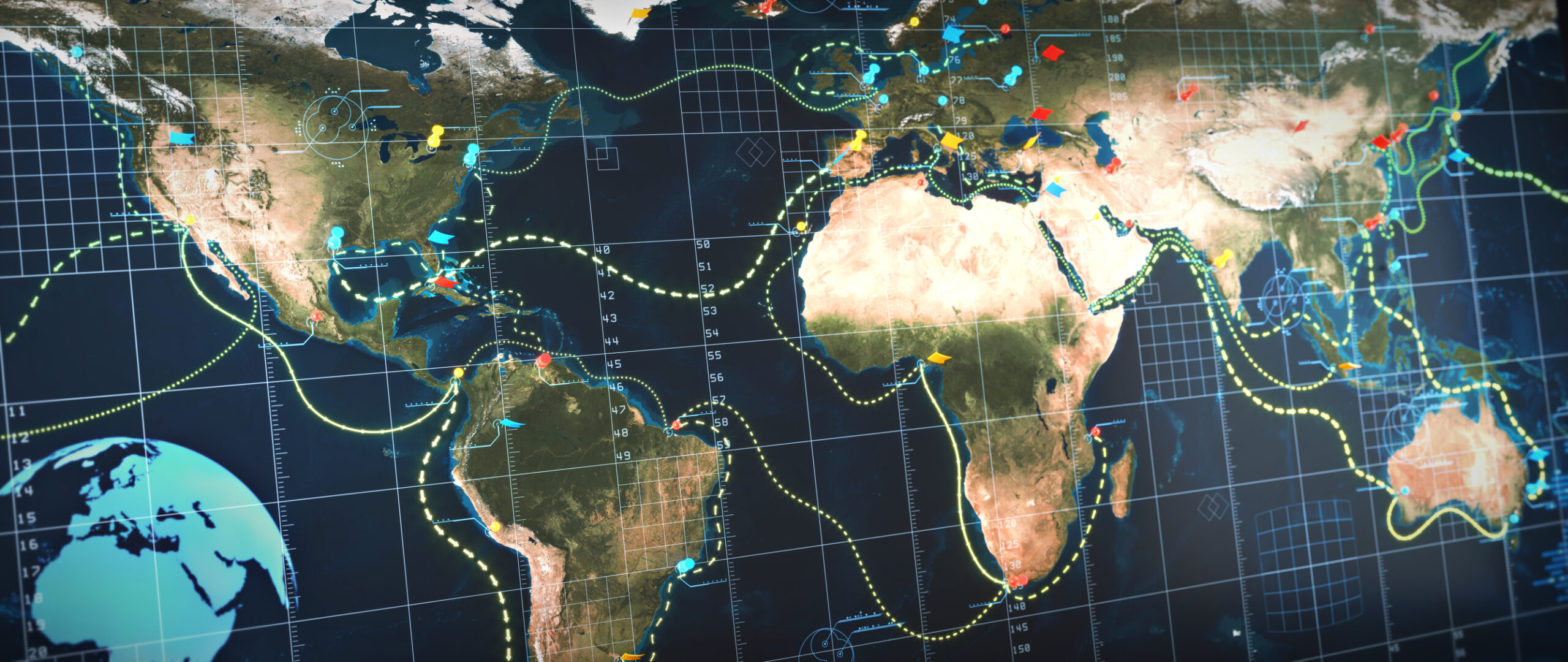
Ongoing disruption in the Middle East continues to significantly impact global ocean and air freight operations. Ocean ports across the Indian Ocean are absorbing large volumes of diverted cargo, resulting in congestion, capacity constraints, and operational delays. As a result, ocean and air freight rates to and from the Middle East have increased sharply, and several major Asian transshipment hubs are experiencing fuel supply tightness.
Global Supply Chain Implications
These disruptions are driving higher costs and extended transit times across global supply chains. While trans‑Pacific routes serving the U.S. market remain largely unaffected for now, carriers are closely monitoring conditions. Fuel availability challenges and rising bunker costs could lead to broader network impacts, including on Pacific trade lanes.
Most ocean carriers have now announced Emergency Fuel Surcharges (EFS) across nearly all trade lanes, including U.S. trades.
Changes to Ports of Discharge
Carriers are increasingly discharging containers at alternative ports of discharge, primarily:
- Oman: Sohar, Salalah
- UAE: Khor Fakkan
- Sri Lanka: Colombo
- India: Mundra
Customers may be instructed to take delivery at these alternative ports or return cargo to the origin port of loading at the customer’s expense, depending on carrier policy.
Ocean Freight Updates
Some carriers are gradually reopening selected import and export bookings as network options stabilize:
- CMA CGM
- Reopened bookings to alternative ports including Khor Fakkan (UAE) and Sohar (Oman)
- Offering service to Jeddah (Saudi Arabia) with onward trucking
- Maersk
- Permitting bookings to/from Jeddah, King Abdullah Port, Aqaba, Salalah, and Lebanon
- Hapag‑Lloyd & COSCO
- Permitting bookings to/from Red Sea ports including Jeddah, Aqaba, and Sokhna
- MSC, ONE, and HMM
- Have suspended all bookings to and from the Middle East and Gulf region
Additional network impacts include:
- Approximately 100,000 TEUs of East Asia–origin cargo originally destined for the Middle East have been redirected to Indian ports, including Nhava Sheva, Mundra, Pipavav, and Kandla, where carriers are securing additional storage and yard space.
- 56 containerships from the top 10 carriers — and approximately 140 vessels in total — remain trapped in the Gulf region.
Air Freight Updates
Air freight capacity remains constrained, with only a limited number of carriers increasing service, and short‑term delays or cancellations remain possible.
Airspace closures include:
- Bahrain
- Iran
- Iraq
- Israel
- Kuwait
- Syria
Airspace open or partially open:
- Egypt
- Jordan
- Lebanon
- Oman
- Qatar
- Saudi Arabia
- United Arab Emirates
Carrier‑specific updates:
- Etihad Airways is operating a reduced passenger flight schedule
- Qatar Airways Cargo is operating a minimal number of freighters, not routed through Doha
- Emirates is increasing both passenger and dedicated freighter capacity
Regulatory Oversight
The U.S. Federal Maritime Commission (FMC) has confirmed it is closely monitoring carrier actions, including rate adjustments and rule changes related to the Strait of Hormuz disruption, to ensure compliance with the Shipping Act.
As always, eShipping will continue to monitor and communicate immediate steps to protect service continuity as the situation continues to evolve. Please contact your eShipping Account Manager with questions or contact our team HERE.