
Escalating Middle East Disruptions Pressure Global Freight Markets
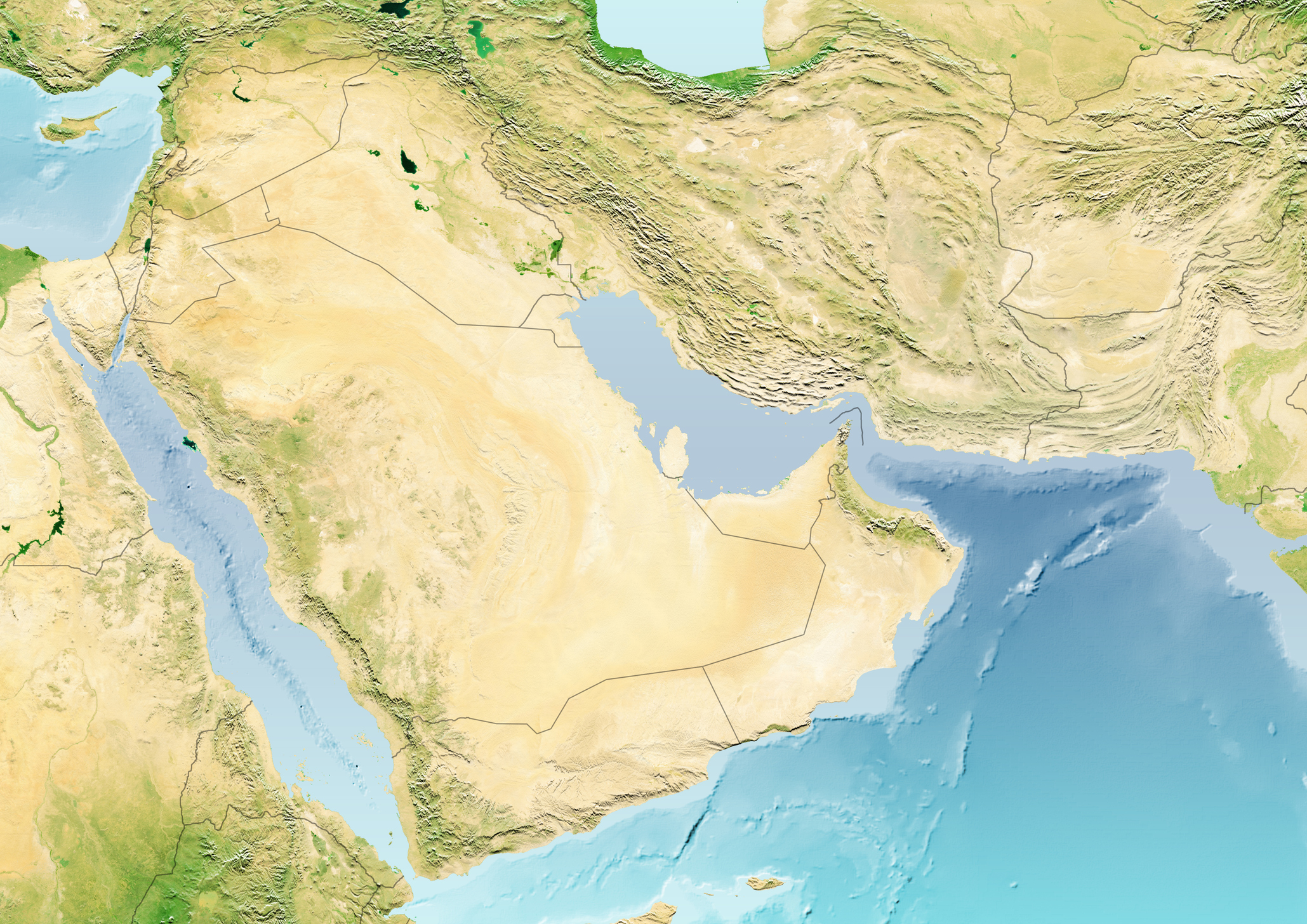
Conditions in the Strait of Hormuz have deteriorated rapidly, with attacks continuing and maritime security concerns intensifying. The waterway is now effectively as restricted as it has been at any point during the past five months.
Adding to the uncertainty, the Houthis have announced a maritime blockade targeting Saudi Arabia, though the full scope of the action has not been disclosed. This development is significant because Saudi ports, particularly Jeddah and King Abdullah Port, have served as key alternatives for cargo affected by disruptions in the Strait of Hormuz. If enforced, the blockade could impact one of the last major routing options available for Middle East cargo.
Shippers should prepare for continued disruption, potential rerouting, and additional surcharges if conditions continue to escalate.
Ocean Freight
Strait of Hormuz: Severe Risk Environment
The Joint Maritime Information Center (JMIC) continues to classify the maritime threat level in the Strait of Hormuz as “severe.”
Recent attacks on commercial vessels have further disrupted maritime traffic and heightened uncertainty throughout the region. Ongoing military activity and security concerns continue to affect vessel operations in a corridor that handles approximately 20% of global oil trade.
Capacity within the Gulf has tightened considerably. Idle vessel capacity, which previously peaked at approximately 490,000 TEU, has fallen to just 30,000 TEU, while inbound traffic through the Strait remains limited. According to the International Maritime Organization (IMO), nearly 6,000 seafarers remain stranded aboard vessels unable to safely depart the Persian Gulf.
Jeddah Port Facing Significant Congestion
As cargo is diverted away from traditional Gulf routings, Jeddah Port continues to experience heavy congestion and operational strain.
Current conditions include:
- Yard density approaching 90%
- Truck queues extending 5 to 6 kilometers
- Container release times reaching 6 to 8 weeks in the most severe cases
With alternative gateway options under pressure, congestion-related delays are expected to persist.
Landbridge Routing Gains Momentum
As instability affects maritime networks, shippers are increasingly utilizing Middle East landbridge solutions, including truck and rail connections across Saudi Arabia, the UAE, and Oman.
These multimodal services continue to provide an alternative for maintaining cargo flows when traditional ocean routings become constrained.
Air Freight
Capacity Constraints Extend Into October
Air cargo capacity across the Middle East remains under pressure as many global carriers extend the suspension of passenger and freighter services throughout the region. Several previously planned September service resumptions have now been postponed into late October or placed on hold indefinitely.
Among the latest updates:
- Cathay Pacific has postponed the resumption of Dubai passenger service and freighter operations until late October
- Singapore Airlines, British Airways, and Air Canada have extended Dubai flight suspensions through October 24
- Cargolux has delayed the restart of Dubai World Central (DWC) service and continues to suspend service to several regional destinations
- Qatar Airways continues operating through a limited set of approved flight corridors
Market Impact
The conflict’s impact on air cargo markets continues to be significant. Industry analysts estimate that approximately 12% of global air cargo capacity was removed when the crisis began, while demand growth has continued to outpace available supply.
Historically, roughly one-third of Asia-Europe air cargo transited through Middle Eastern hubs. Much of that volume has shifted to direct services and alternative transshipment points, tightening capacity across global networks.
At the same time, strong demand from technology, semiconductor, and data center-related shipments continues to place additional pressure on available space, particularly on Asia-Europe and trans-Pacific lanes.
Key Takeaways for Shippers
Shippers should plan for continued uncertainty across both ocean and air freight markets through at least October.
Key considerations include:
- Continued volatility across Middle East transportation networks
- Tight ocean and air freight capacity
- Longer lead times and potential routing changes
- Ongoing congestion at key regional gateways, including Jeddah
- Continued application of war risk, emergency fuel, and other crisis-related surcharges
- Energy and fuel market volatility that may impact transportation costs worldwide
- Organizations with cargo moving through or around the Middle East should work closely with their logistics providers to secure capacity early, evaluate alternative routing options, and proactively plan for disruptions as conditions evolve.
As always, eShipping will continue to monitor and communicate immediate steps to protect service continuity as the situation continues to evolve. Please contact your eShipping Account Manager with questions or contact our team HERE.