
Geopolitical Risk Escalates: Freight Rates, Fuel Supply & Capacity Under Pressure
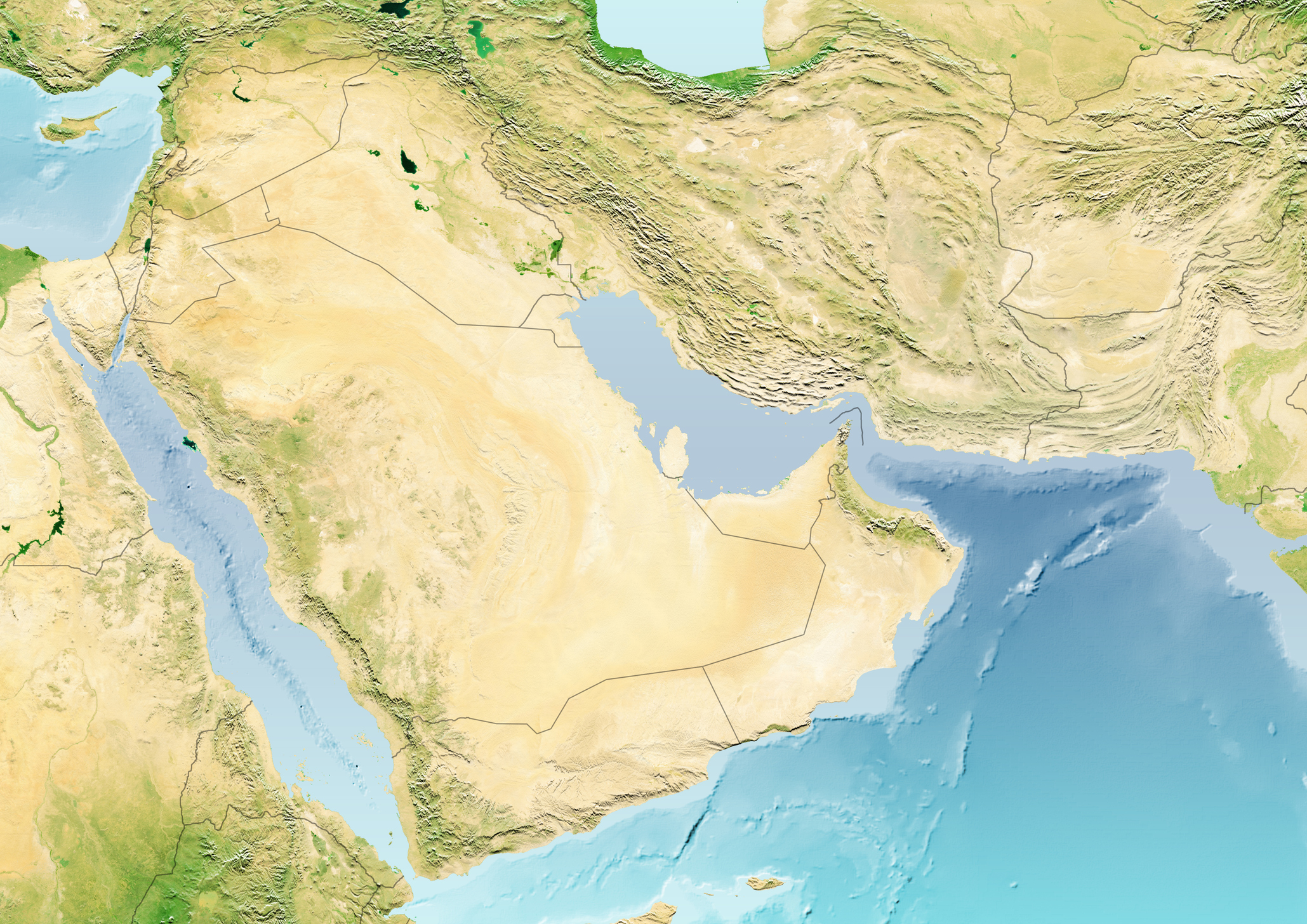
Five weeks into the closure of the Strait of Hormuz, global ocean freight markets are experiencing broad-based rate escalation across all major east-to-west trade lanes, underscoring the far-reaching impact of the conflict. According to Xeneta, spot rates continue to rise sharply, and no shipper is insulated from the resulting financial or operational risk.
Notably, Far East-to-U.S. West Coast spot rates (despite routing well outside the conflict zone) have increased 29% since late February, highlighting how geopolitical disruptions are driving volatility across the entire global supply chain.
At-A-Glance: Key Developments to Watch
- Congestion is building at major transshipment hubs, including Singapore, Port Klang, and Tanjung Pelepas, which are critical gateways for U.S.-bound cargo
- Authorities in Sharjah reported an incident targeting Khor Fakkan Port, one of the UAE’s largest container ports; no injuries were reported (WSJ)
- CMA CGM’s Kribi became the first Western Europe-linked vessel to transit the strait since Iran began blocking passage (WSJ)
- CMA CGM secured Iranian assurances for safe passage of 14 containerships currently inside the strait (JOC)
- The MSC Ishyka was reportedly attacked by drone due to alleged Israeli links (TradeWinds)
- COSCO Shipping Lines has resumed Far East-to-Middle East container bookings (TradeWinds)
Fuel Supply Risks Intensify
Asia and the Middle East are emerging as the regions most exposed to potential fuel supply disruptions due to their heavy reliance on crude oil and refined product imports from the Gulf. While bunker fuel availability in Asia remains manageable, industry sources report tightening conditions. Aviation markets are also showing early signs of strain. Media reports indicate that several Italian airports have warned of limited jet fuel availability, raising concerns about downstream impacts to air cargo capacity should fuel constraints worsen.
Carrier Responses and Cost Implications
Ocean carriers are implementing a combination of operational and financial measures to manage tightening fuel supplies and rising costs, including:
- Slow steaming to conserve bunker fuel
- Repositioning fuel supplies by loading bunkers in the U.S. and Europe for transfer to Asia
- Introducing emergency fuel surcharges to offset escalating expenses
In the U.S. trade lanes, emergency fuel surcharges are expected to be implemented around the second week of April.
Capacity and Equipment Pressures
India-to-North America ocean capacity is beginning to tighten as carriers reroute services and adjust vessel rotations to avoid high-risk areas such as the Red Sea and Strait of Hormuz. Vessel delays and containers stuck in affected regions are contributing to equipment imbalances.
While space is currently available, the forward outlook points to increasing constraints, particularly on U.S. East Coast routings, with heightened risk of delays and cargo rollovers in the coming weeks.
Airspace Disruptions
Airspace remains closed over Bahrain, Iran, Iraq, Israel, Kuwait, and Syria, with restrictions still in place across the UAE, Qatar, and Lebanon.
- Qatar Airways has increased freighter operations via Doha
- Etihad is operating a reduced passenger schedule
- Emirates has resumed both passenger and cargo operations as of last week
As always, eShipping will continue to monitor and communicate immediate steps to protect service continuity as the situation continues to evolve. Please contact your eShipping Account Manager with questions or contact our team HERE.